
By Prabin Soren
Prabin Soren has been in the accounting and finance field since 2019, bringing 6 years of experience to this discussion on sales record keeping. He regularly shares insightful blog posts on LinkedIn.
Updated: August 2025
How to Keep Daily Sales Records for Your Shop or Business
Running a shop or any business, big or small, comes with a myriad of responsibilities. Among the most crucial, yet often overlooked by new entrepreneurs, is diligent sales record keeping. You might be thinking, “But I don’t have a fancy cash register!” and that’s perfectly fine. This guide is specifically for you.
First, let’s clarify a couple of terms:
What is meant by a sales record and a cash register?
A sales record is simply a document, digital or physical, that details each sale made by your business. It typically includes information like the date, item sold, quantity, price, and payment method. Think of it as the financial diary of your daily transactions.
A cash register, on the other hand, is a mechanical or electronic device used to calculate and record sales transactions, print receipts, and store cash. While incredibly useful, it’s not the only way to track your sales.
What’s the difference between a cash register vs Excel vs Octotally?
The core difference lies in their nature and capabilities.
A cash register is primarily a point-of-sale hardware solution, designed for quick transaction processing and cash handling. It typically offers basic reporting functionalities. It’s a physical machine you interact with directly at the point of sale.
Excel (or other spreadsheet software like Google Sheets) represents a manual-to-semi-automated digital solution. You create the structure (columns and rows) yourself and input data manually. While powerful for calculations, sorting, and basic analysis through formulas, it requires more hands-on management and can become complex for very high volumes of transactions or intricate inventory needs.
Octotally (or similar dedicated sales/accounting software) offers a more automated and integrated approach. These are designed specifically for business transactions, providing features like automated calculations, comprehensive reporting, inventory management, and often integrations with payment gateways or other accounting tools. They are generally user-friendly and built to reduce manual effort and human error, offering a more robust and scalable solution than a simple spreadsheet.
Why You Need Daily Sales Records: The Benefits
Regardless of your setup, meticulously keeping daily sales records offers immense benefits:
- Financial Clarity: You’ll know exactly how much money is coming in, allowing you to track your revenue accurately.
- Performance Tracking: Identify your best-selling products, peak sales times, and overall business trends. This data is invaluable for making informed decisions.
- Inventory Management: By knowing what’s selling, you can optimize your stock levels, reducing overstocking or stockouts.
- Tax Compliance: Accurate sales records are fundamental for preparing tax returns and demonstrating your business’s financial activity to tax authorities.
- Budgeting and Forecasting: Historical sales data is crucial for creating realistic budgets and forecasting future revenue.
- Identifying Discrepancies: Quickly spot any differences between cash on hand and recorded sales, helping to prevent or identify theft.
How You Can Keep Daily Sales Records for Your Shop (Without a Cash Register)
You absolutely do not need an expensive cash register to maintain excellent sales records. Here are several practical methods, ranging from the very basic to more sophisticated, that you can implement today:
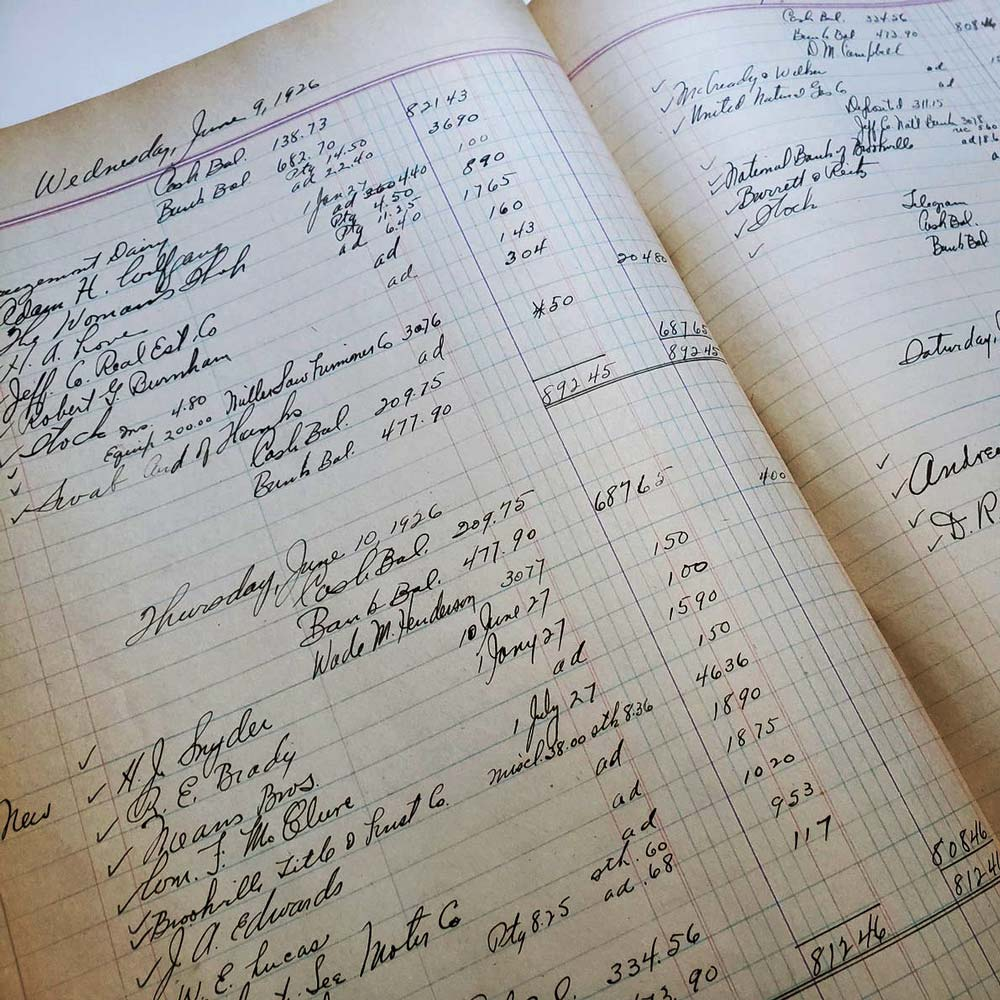
- The Manual Sales Ledger/Notebook Method: This is the simplest and most accessible method. All you need is a dedicated notebook or ledger.Explain the format: Create columns for the following information for each sale:
- Date: (e.g., 2025-08-01)Time: (e.g., 10:30 AM)Item(s) Sold: Be specific (e.g., “T-shirt (Size M, Blue)”, “Coffee + Croissant”)Quantity: (e.g., 1, 2)Unit Price: (e.g., $25.00, $4.50)Total Sale Amount: (e.g., $25.00, $9.00)Payment Method: (e.g., Cash, UPI, Card, Online Transfer)Notes (Optional): Any specific customer requests, discounts applied, or issues.
Spreadsheet Software (Excel, Google Sheets, LibreOffice Calc): This is a step up from the manual ledger and offers more flexibility for analysis. You can create the same columns as above, but with the added benefits of:
- Basic POS (Point of Sale) Apps on Smartphones/Tablets & Dedicated Invoicing Software: While previously separated, these two points can be combined to efficiently cover digital app-based solutions. Many free or low-cost POS apps for smartphones/tablets effectively turn your device into a basic sales tracker. Similarly, dedicated invoicing software can double as sales record keepers if you issue an invoice for every sale. These digital tools often include product catalogs, sales tracking with receipts (digital or print), basic reporting, and sometimes integrate with payment processors.
How Octotally Helps
For those looking for a more streamlined and automated approach, solutions like Octotally can bridge the gap between manual records and a full-fledged cash register system. Octotally provides an intuitive platform where you can quickly log sales, categorize products, and generate real-time reports. It simplifies inventory tracking and gives you a clear dashboard of your daily, weekly, and monthly performance, all without the need for expensive hardware. Its user-friendly interface makes it easy for even beginners to maintain impeccable financial records.
About the Author
Prabin Soren has dedicated the past six years to the field of accounting and finance, starting his journey in 2019. His practical experience spans various aspects of financial management for businesses of all sizes. Prabin is passionate about empowering small business owners with the knowledge and tools to manage their finances effectively. He regularly shares his insights and practical advice through blog posts on LinkedIn, where he discusses topics ranging from bookkeeping basics to financial strategy.
Why Listen to Me?
My journey in accounting and finance since 2019 has given me a deep understanding of the financial challenges small businesses face. I’ve seen firsthand how crucial accurate record-keeping is, not just for compliance but for sustainable growth. I’ve helped numerous individuals and businesses navigate their financial landscapes, from setting up basic bookkeeping systems to optimizing their financial workflows. My goal is to demystify financial concepts and provide actionable advice that you can implement immediately, even if you’re operating on a shoestring budget without complex equipment.
Who Am I, and Why Do I Write This?
I’m Prabin Soren, and as mentioned, my professional life has been immersed in accounting and finance for the past six years. I write these blogs because I genuinely believe that financial literacy is the cornerstone of business success. Far too many promising ventures falter due to a lack of understanding of their own numbers. I want to equip entrepreneurs with the practical knowledge to not just survive, but thrive. My articles, including this one, are born from my experience and a desire to see more businesses succeed by making smart, data-driven decisions.
You can contact me directly here (Octotally@gamil.com)